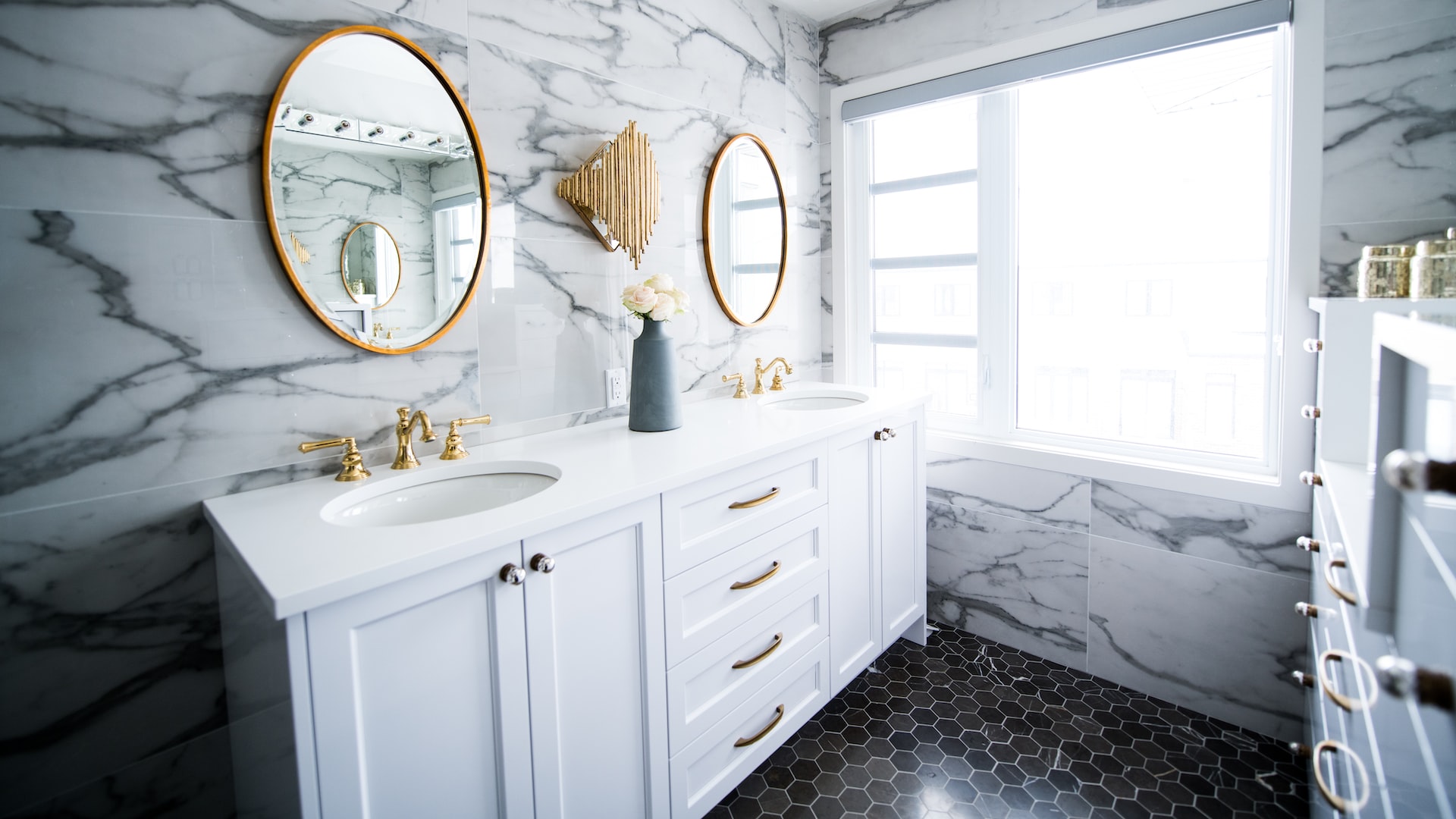
A home has its own quiet rhythm. The shower warms up, the kettle fills, the dishwasher hums, and nobody gives much thought to the pipes behind the walls. Then the kitchen sink starts emptying slowly, the toilet makes an unfamiliar gurgle, or a puddle appears where the laundry floor should be dry.
Plumbing problems have a habit of interrupting the busiest part of the day. For a household, that can mean missed showers and a pile of washing. For a small business, it might mean an unusable staff bathroom or a kitchenette that needs to close until the problem is sorted.
Knowing what to notice, what to stop using, and when to call a professional makes these situations easier to manage. For Melbourne residents dealing with blocked drains in Blackburn, prompt professional help can make all the difference. Understanding the difference between a routine repair and an urgent fault is a useful place to begin.
Understanding blocked drains in Blackburn
A blocked drain is not always dramatic at first. Water might linger around the shower grate for a few extra seconds. A bathroom basin may develop a smell that returns soon after cleaning. These small changes can be early clues that wastewater is no longer moving freely.
Some blockages form close to a fixture, where hair, soap residue, food scraps, or grease collect. Others develop farther along the drainage system. Tree roots, damaged pipework, displaced joints, and accumulated debris can all contribute to recurring trouble.
The location of the blockage matters because the right repair depends on the cause. Clearing material from a sink trap is a different task from investigating a damaged underground drain.
Signs worth taking seriously
Look beyond the most obvious symptom. A toilet that bubbles when the shower drains may point to a shared drainage issue rather than a problem with the toilet alone.
Common warning signs include:
- Water draining more slowly than usual.
- Gurgling sounds from sinks, showers, or toilets.
- Unpleasant smells near fixtures or outdoor drains.
- Water backing up into another fixture.
- Repeated blockages in the same area.
- Overflowing external drains during normal household use.
If several fixtures are affected at once, stop treating them as separate inconveniences. A broader drainage problem may need professional attention.
Finding the Cause Before Choosing the Fix
When wastewater is backing up, speed matters. So does diagnosis. A blockage that disappears briefly but returns the following week has not necessarily been resolved.
A blocked drain repair plumber should consider the pattern of symptoms, the affected fixtures, and whether there is a history of similar trouble. Depending on the situation and the equipment available, investigation may involve inspecting accessible pipework or using a drain camera to assess conditions inside the line.
The aim is to distinguish between an obstruction that can be cleared and an underlying defect that needs repair.
Why repeated blockages deserve investigation
Imagine a kitchen sink that blocks every few months. Clearing it may restore flow, but if grease continues collecting around a damaged section of pipe, the same problem can return.
Ask practical questions before approving work:
- What appears to be causing the blockage?
- Is the problem confined to one fixture?
- Is further inspection recommended?
- Will clearing the drain address the cause or only restore flow temporarily?
- What repair options are available if the pipe is damaged?
Clear answers help households and small businesses plan sensibly rather than paying repeatedly for a short-lived improvement.
Knowing When a Plumbing Problem Is Urgent
Not every dripping tap requires an emergency call. However, sewage overflow, uncontrolled water leakage, and a toilet that is close to spilling over should not be left to see whether they improve.
An emergency plumber is particularly important when delaying action could increase property damage, create a hygiene risk, or leave a property without essential facilities.
If you need a local emergency plumber, explain the situation plainly. Say whether water is actively escaping, whether wastewater is involved, and whether you can isolate the affected supply. Confirm availability and likely attendance arrangements rather than assuming every plumbing service company operates around the clock.
What to do while waiting
For an active water leak, turn off the relevant isolation valve if it is accessible and safe. If you cannot identify one, you may need to shut off the property's main water supply.
For a suspected drainage blockage, stop using the affected fixtures. Running more water through the system can make an overflow worse.
Keep children and pets away from wastewater, and avoid electrical equipment near wet areas. Do not enter standing water if there may be an electrical hazard.
A suspected gas leak needs a different response. Avoid flames and electrical switches, leave the affected area, and contact the gas emergency service from a safe location. Call emergency services if there is immediate danger.
Giving Toilet Plumbing the Attention It Needs
Few household problems create urgency quite like a toilet that will not flush properly. Yet flushing again is often the least helpful response when the bowl is already filling higher than normal.
Toilet plumbing problems can involve the fixture itself, the cistern mechanism, the connection to the drain, or a blockage farther downstream. Identifying which part is at fault helps determine whether the job is a straightforward adjustment or a more involved repair.
When to call a blocked toilet plumber
A plunger may help with a simple, isolated blockage, provided the bowl is not close to overflowing and no chemical cleaner has been added. Repeated forceful attempts are not a good substitute for diagnosis, particularly if an object may have been flushed.
Contact a blocked toilet plumber when:
- The water level rises instead of falling.
- The toilet blocks repeatedly.
- Other drains react when the toilet is flushed.
- Wastewater appears around the toilet or nearby drains.
- You suspect wipes, sanitary products, toys, or another object are involved.
An emergency toilet repair becomes especially pressing when there is sewage overflow or the property has no other usable toilet. Tell the plumber about those circumstances when booking.
Even products labelled flushable can contribute to drainage problems. A small bathroom bin is a simple precaution, with only toilet paper and human waste going into the toilet.
Keeping Kitchen Plumbing Working Through Daily Demands
Kitchen plumbing handles a steady procession of cooking, cleaning, handwashing, and appliance use. It is easy to forget that the sink is a drainage point, not a disposal system.
Cooking fats are a common problem. They may appear to wash away when warm, then cool and collect inside pipework. Food particles can become trapped in that residue, gradually narrowing the passage available for wastewater.
Scrape plates before rinsing, use a sink strainer, and let cooking fat cool before disposing of it appropriately in the rubbish. These habits are less disruptive than dealing with a blocked sink halfway through preparing dinner.
Look beneath the sink occasionally
The cupboard under the sink can hide leaks for weeks. Stored cleaning products, spare bags, and recycling containers may conceal damp patches until shelving swells or an unpleasant smell develops.
A quick visual check can reveal:
- Moisture around pipe joints.
- Drips beneath taps or flexible hoses.
- Water marks on the cupboard base.
- Corrosion or visible hose deterioration.
- Dampness around dishwasher connections.
Do not tighten unfamiliar fittings aggressively. A small leak can become a larger one if a brittle component or worn connection is disturbed.
Planning Repairs and New Plumbing Sensibly
Good plumbing services extend beyond responding to breakdowns. Residential plumbing includes maintaining existing systems, replacing worn components, and installing new plumbing when a home changes.
A renovated laundry, relocated kitchen sink, additional bathroom, or new gas appliance can affect more than the visible fittings. Pipe routes, drainage gradients, water pressure, access, and regulatory requirements all need consideration.
Local Melbourne Plumbing is a company Melbourne households and small businesses can consider for residential plumbing, gas plumbing, general maintenance and repairs, drain unblocking, and new plumbing installations. Its website is localmelbourneplumbing.com.au. When enquiring, describe the work and confirm the relevant service coverage, licensing, availability, and quoting arrangements.
Choose plumbing contractors with the whole job in mind
For renovation work, involve plumbing contractors before cabinetry, tiling, and appliance selections are finalised. A preferred fixture location may require more work than expected, while early advice can reveal a simpler layout.
Gas plumbing deserves particular care. Gas installation and repair work must be undertaken by an appropriately licensed professional. Ask what compliance documentation is required for the particular work and retain it with your property records.
A useful scope of work should make clear what is included, what remains uncertain, and how additional work will be discussed if concealed problems emerge.
Making Maintenance Part of Property Care
Plumbing maintenance is rarely glamorous, but neither is replacing a water-damaged cupboard or closing a customer toilet unexpectedly.
For homeowners, an occasional walk around the property can reveal leaking outdoor taps, damp ground, or overflow near drainage points. Inside, listen for toilets that continue running after flushing and check accessible areas for moisture.
Small business owners can take a similarly practical approach. Staff should know how to report a slow drain, where accessible isolation valves are located, and who to contact when a fault occurs.
Keep a simple plumbing record
A short record of repairs can be surprisingly valuable. Note the date, location, symptoms, and work completed. Save relevant invoices and inspection findings.
If a problem returns, that history gives the attending plumber more context. It can also help identify whether several apparently unrelated incidents involve the same section of plumbing.
Avoid pouring harsh chemicals into a troublesome drain as a routine maintenance measure. They may not address the cause, can pose handling risks, and should always be disclosed to a plumber if used.
Frequently Asked Questions
Can a slow drain wait until next month?
A minor slowdown may not require an emergency visit, but it is worth arranging attention before it becomes a complete blockage. Seek more urgent advice if there are smells, gurgling sounds, backups, or several affected fixtures.
Should I keep flushing a blocked toilet?
No. If the water rises unusually high or does not drain normally, stop flushing. Further flushing can cause an overflow and make the clean-up considerably worse.
What information should I give when booking?
Describe the affected fixture, when the problem started, whether it has happened before, and whether water or sewage is escaping. Mention any chemicals used and whether the property has another functioning toilet.
Even if a hurried search begins with “blocked d”, a clear description on the phone is more useful than knowing the technical name for the fault.
Does clearing a drain mean the pipe needs replacing?
Not necessarily. Some blockages can be removed without replacing pipework. Replacement or repair may be recommended if inspection identifies damage, persistent root entry, or another structural problem. Ask for the reasoning behind the recommendation.
Can one company handle both repairs and installation?
Many plumbing businesses undertake both, but confirm the scope of the particular job. Drain clearing, gas work, fixture replacement, and renovation plumbing can involve different equipment, qualifications, and scheduling needs.
Give Your Plumbing Problems an Earlier Answer
A reliable home or workplace depends on systems that are easy to overlook when everything is working. Paying attention to a slow drain, checking a damp cupboard, or reporting a toilet that repeatedly misbehaves can prevent a manageable fault from becoming a disruptive afternoon.
For Melbourne residents exploring Local Melbourne Plumbing, the best starting point is a clear account of the problem and a few practical questions about the proposed work. Whether the job involves a blocked drain, a kitchen repair, gas plumbing, or a new installation, informed decisions matter more than guesswork.
Act early, keep safety in mind, and choose appropriately qualified help. The reward is simple enough—a property that gets back to its everyday rhythm.